Storage Tiering
Automate data archiving from any storage to any cloud, including AWS Glacier and Azure Blob, with a fast, flexible, storage-agnostic tiering workflow on the Resilio Active Everywhere distributed data movement platform.

Automated Archiving From Any Storage To Any Cloud
Are you struggling with explosive data growth, rising storage costs, and increasingly distributed teams?
As data ages or becomes less frequently accessed, IT teams need a seamless way to migrate that data from expensive systems to lower-cost storage tiers, without interrupting operations or restructuring workflows.
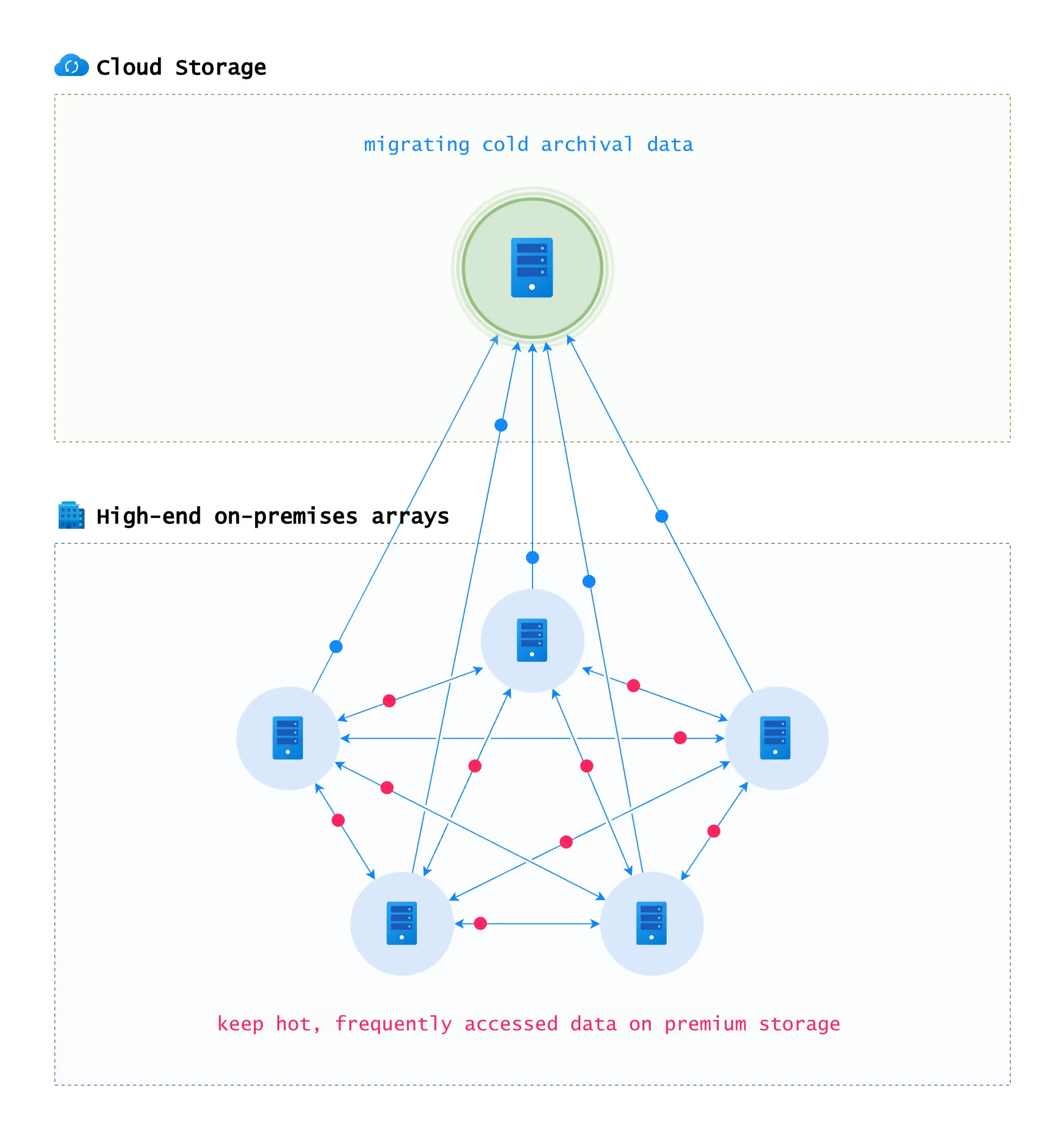
It’s time for a highly flexible, high-performance approach to storage tiering that works across any storage system and any environment, whether you are migrating cold archival data off high-end on-premises arrays or archiving infrequently accessed files to cloud data storage.
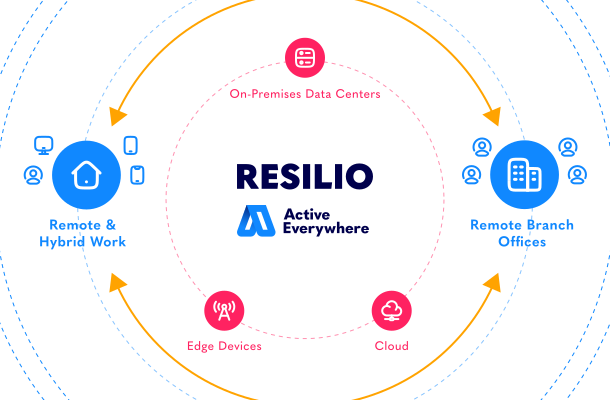
We make our customers active everywhere.

Data-driven organizations trust Resilio to rapidly synchronize files across servers running a diversity of web and application workloads.
What Is Storage Tiering?
Storage tiering is the process of moving data between storage systems based on the frequency of data usage.
Typically, organizations tier data from expensive primary storage to more cost-effective secondary or archival storage. Tiering aligns data to appropriate access patterns, usage patterns, and storage pricing requirements.
Moving data from NetApp or Dell EMC arrays to Amazon S3 Glacier
Migrating inactive project files from local NAS devices to cloud object storage
The goal is straightforward: keep hot, frequently accessed data on premium storage and push cold or inactive data to lower-cost tiers, ensuring predictable data retrieval performance and minimal latency.
Why Traditional Storage Tiering Tools Fall Short
Conventional tiering tools often lack the flexibility and control required for today’s hybrid environments.
Common limitations include:
Reliance on specific storage vendors or hardware
Limited filtering rules for selecting files
Manual processes to determine which files should be archived
Poor integration with existing sync or replication workflows
Inefficiency in remote or distributed environments
IT teams frequently compensate with scripts, manual audits, or separate archiving processes that are hard to scale. Resilio eliminates these constraints with a storage-agnostic, distributed approach.
Compare traditional tools vs. Resilio →
Storage-Agnostic Tiering with Resilio Active Everywhere
Our distributed data movement enables any-to-any storage tiering, allowing you to move data between any on-premises or cloud system.
All tiering operations leverage the same distributed peer-to-peer architecture that powers the Resilio platform, ensuring scalability, resilience, and high performance. This is ideal for data transfer across global environments and essential for teams looking to optimize cloud and on-premises workflows.
Resilio supports tiering across:
NAS, SAN & Local file systems
Amazon S3, AWS Glacier, Microsoft Azure Blob Storage, Google Cloud Storage, and any S3-compatible storage
Azure Files
Microsoft SharePoint
There are no proprietary hardware requirements or vendor lock-ins, and it enables unified, consistent archiving across your entire storage footprint.
Schedule Archival Jobs Without Disrupting Workflows
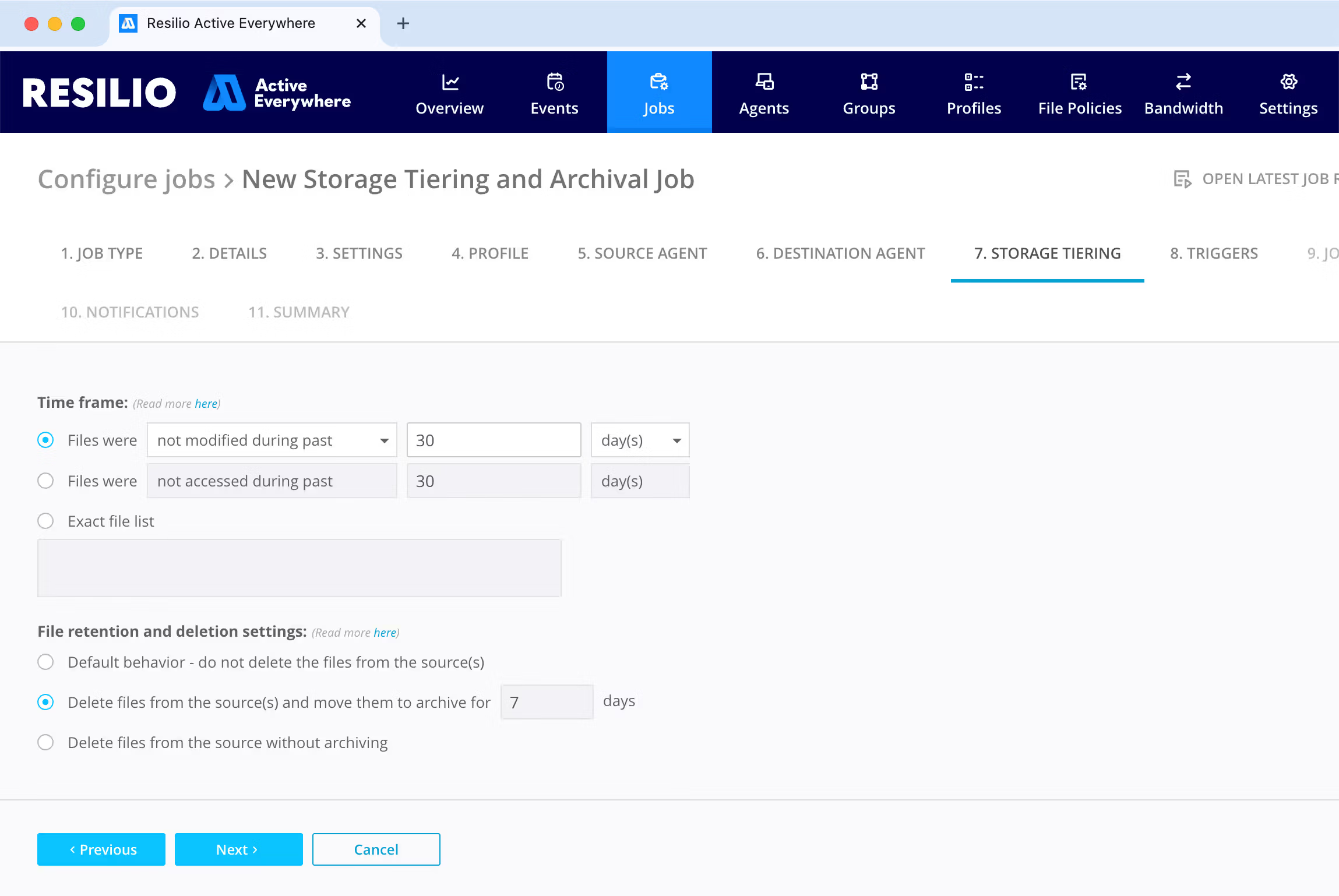
Active Everywhere separates synchronization from archiving, allowing tiering jobs to run on custom schedules without impacting real-time sync or data access.
Common workflows include:
Continuous sync between production systems
Weekly archival jobs pushing inactive data to AWS Glacier
Monthly retention workflows for compliance-driven environments
Archive jobs run in parallel with production workloads, enabling teams to maintain a clean and efficient primary storage environment at all times.
Lower Storage Costs and Improve Primary Storage Efficiency
After archiving files to cost-efficient cloud storage, Active Everywhere can automatically remove unneeded data from primary storage.
This helps IT teams:
Reduce total storage costs
Maximize performance on high-end systems
Maintain clean production environments
Meet compliance and lifecycle requirements
Deletion policies are controlled, predictable, and safe to use in enterprise workflows.
Resilio Active Everywhere helps organizations control storage costs and keep primary systems efficient. By automating archival across any storage and cloud, teams can quickly move cold data, safely clean up primary systems, and scale their tiering workflows with ease.
COMPARE
Traditional Tools vs. Resilio
Conventional tiering tools often lack the flexibility and control required for today’s hybrid environments.
Features
Traditional Tools
Resilio Active Everywhere
Storage Compatibility
Vendor-specific
Any storage to any cloud
Archival Scheduling
Limited or manual
Fully supported
Parallel Sync + Archive
Rare
Supported
File Filtering
Basic
Modification time, access time, regex, file lists
API Automation
Usually no
Yes
Primary Storage Cleanup
Manual
Automatic
LEARN MORE
Featured Resources

Reduce AWS Data Transfer Costs
We discuss how you can reduce AWS data transfer costs using various tools. We explore 7 tactics and best practices.

Learn More

How to Calculate and Lower S3 Cross-Region Replication Costs
Explore the 5 factors contributing to S3 replication costs & how Resilio can help you get fast, reliable, and cost-efficient replication.

Learn More

Hybrid cloud that’s active everywhere you are
Maffeis Engineering's adoption of Resilio Platform has transformed their ability to share and collaborate across sites in real-time—on mission-critical projects.
Learn More